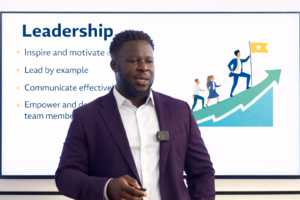
Leadership & Supervision Training for leaders and supervisors on communication, accountability, decision-making, and working with staff.
Workplace Communication Training on listening, verbal and non-verbal communication, feedback, workplace expectations, and communication barriers.
Emotional Intelligence & Self-Awareness Training on recognizing emotions, understanding triggers, managing reactions, and understanding how our behavior affects others.
Cross-Cultural Communication Training on how culture, background, and different communication styles can affect how people understand and respond to one another.
Conflict Resolution Training on understanding conflict, handling disagreements, and communicating through difficult situations.
Team & Relationship Building Sessions focused on trust, communication, expectations, relationships, and working together as a team.
Community Engagement Training on building relationships, communicating with community members, and understanding the communities you work with.
Youth & Workforce Readiness Training for young people and job seekers on workplace communication, professional expectations, confidence, and job readiness.
Customized Training Training and facilitated sessions developed around the client’s specific needs, staff, community, or situation.
We listen to communities to identify patterns, priorities, strengths, and barriers, then turn what we learn into useful information for planning and decision-making.”
We listen to communities to identify patterns, priorities, strengths, and barriers, then turn what we learn into useful information for planning and decision-making.
Leaders
We listen to communities to identify patterns, priorities, strengths, and barriers, then turn what we learn into useful information for planning and decision-making.”
We listen to communities to identify patterns, priorities, strengths, and barriers, then turn what we learn into useful information for planning and decision-making.